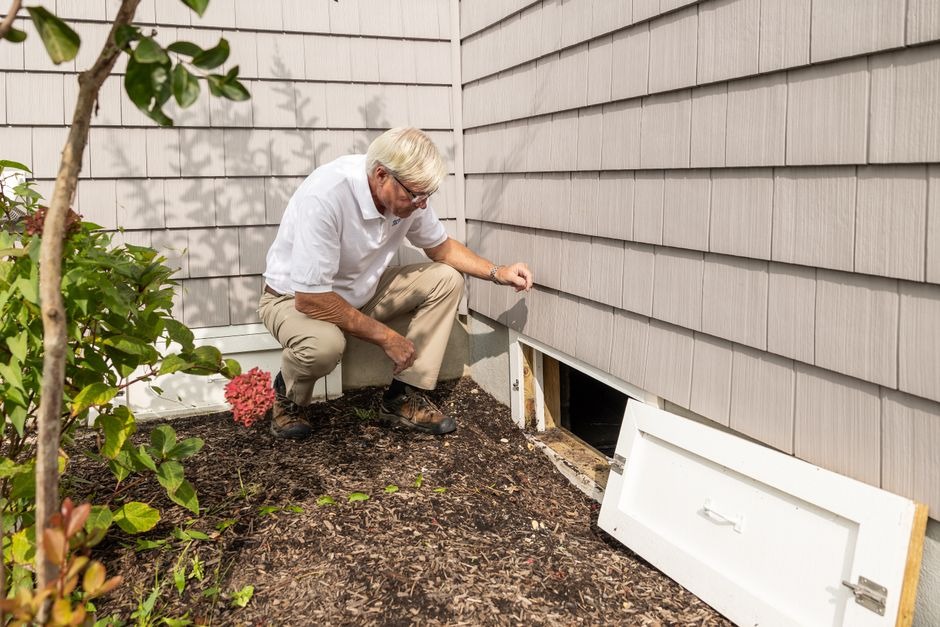
Your roof usually stays out of sight and out of mind until something goes wrong. By that point, the damage often reaches far beyond shingles. Water can move into insulation, drywall, framing, and even your indoor air quality. If you live in a rainy place like western Washington, that risk gets sharper. A roof can look decent from the driveway while slowly losing the ability to protect your home. Knowing what to watch for helps you act before a manageable repair becomes a full replacement.
Table of Contents
Age matters, but weather exposure matters just as much
A 20-year-old roof does not age the same way in every ZIP code. Material type matters, but local conditions often shape its real lifespan more aggressively than people expect. Heavy rain, wind-driven moisture, moss growth, and seasonal temperature swings all accelerate wear.
That is especially relevant in the Pacific Northwest. Homes in Tumwater deal with frequent wet weather, tree debris, and long stretches of cloud cover that slow drying. Those conditions can shorten the service life of asphalt shingles and increase the risk of hidden deck rot. If you are evaluating roof replacement in Tumwater, it helps to think beyond the roof’s installation date and look at how hard the local environment has been on the whole assembly.
Your roof can fail long before it starts leaking into the living room
Most homeowners picture roof failure as a dramatic ceiling stain or water dripping into a bucket. In reality, the first warning signs are usually subtle. You might notice granules collecting in gutters, shingles curling at the edges, or dark streaking that seems cosmetic but points to long-term moisture retention.
In damp climates, repeated expansion and contraction can weaken seals around flashing, vents, and valleys. That creates pathways for water intrusion without producing an obvious interior leak right away. A roof system can be compromised while your attic and ceilings still look fine. If your energy bills rise for no clear reason, damaged roofing and wet insulation may be part of the story.
The attic often tells the truth faster than the exterior does
If you want a more accurate sense of roof condition, start in the attic. This is where hidden moisture problems tend to show up first. Look for damp insulation, black spotting on wood, rusty nail tips, or a musty smell that seems stronger after rain. Even slight discoloration on roof decking can signal recurring moisture intrusion.
Poor ventilation also shows up here. When heat and humidity get trapped in the attic, shingles can age faster from underneath, while condensation creates problems that mimic a leak. That distinction matters because replacing shingles without fixing airflow can leave you with the same problem a year later. A roof is not only shingles; it is decking, underlayment, flashing, intake and exhaust ventilation, and drainage all working together.
Small exterior defects can point to bigger structural issues
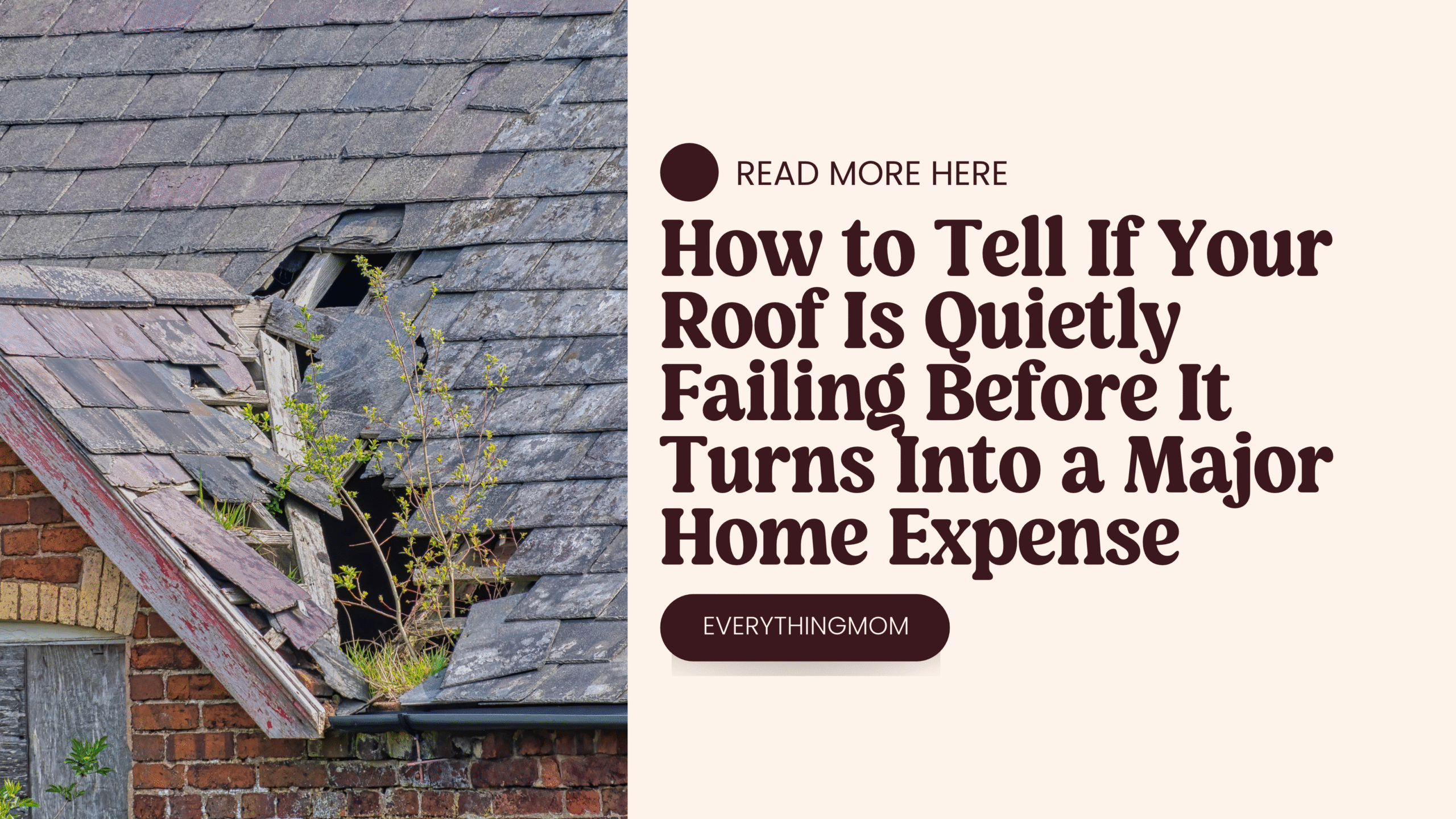
It is easy to dismiss a few missing shingles or a sagging gutter as minor maintenance. Sometimes that is all it is. Sometimes it is the visible edge of a deeper issue. Water tends to travel. A damaged area near a valley or chimney can feed moisture into sheathing and framing long before you see interior evidence.
Pay close attention to rooflines that no longer look straight, sections that appear spongy, or flashing that has lifted away from the roof surface. Check where gutters overflow during storms. Concentrated runoff can soak fascia boards and push water back under the roof edge. If moss returns quickly after cleaning, it may be holding moisture against materials that are already deteriorating. Surface symptoms often reveal system-wide stress.
Repairs are valuable, but repeated patching has a tipping point
A well-timed repair can extend roof life and protect your budget. The problem starts when repairs become reactive and repetitive. If the same area keeps failing, or if multiple sections need work within a short period, you may be spending money to delay an inevitable replacement without gaining much protection.
This is where many homeowners get stuck. A few hundred dollars for another patch feels easier than a larger project. But if you add emergency repairs, interior paint fixes, insulation replacement, and potential mold remediation, the math changes quickly. A full replacement may offer better value when the existing roof has widespread shingle loss, chronic leaks, ventilation problems, or underlying deck damage. The smartest choice often comes from total cost over time, not just the next invoice.
Replacement planning should include materials, ventilation, and timing
Once replacement enters the conversation, many people focus only on shingle color and price. Those details matter, but they should not lead the process. First, ask what failed and why. If flashing design, attic ventilation, or drainage layout contributed to the problem, the replacement scope should address those factors.
Material selection should reflect local weather, roof pitch, surrounding tree cover, and maintenance expectations. Installation timing matters too. Scheduling before the wettest part of the season can reduce risk if your current roof is already vulnerable. Ask about underlayment, ice and water barriers where appropriate, and whether any sheathing needs replacement. A quality roofing project is a system upgrade, not simply a cosmetic refresh from the street.
Family routines, resale value, and insurance all shape the decision
Roof replacement is not only a construction decision. It affects daily life, future resale, and sometimes your insurance relationship. If you are planning to sell within a few years, an aging roof can raise buyer concerns fast during inspection. Even if there are no active leaks, visible wear can weaken negotiations or trigger demands for credits.
Insurance carriers are also paying closer attention to roof age and condition in some markets. Waiting too long can complicate coverage terms or claims outcomes after a storm. For families, timing matters in practical ways as well. A replacement project during a school-heavy week, a holiday stretch, or a season of nonstop rain can add stress you could have avoided with earlier planning. Home maintenance choices rarely happen in isolation.
The best time to act is before the roof forces the schedule
A roof in distress rarely improves with time. Once moisture enters the system, each storm can enlarge the repair scope in ways that are hard to see from inside the home. The goal is not to panic over every stain or loose shingle. The goal is to catch patterns early, ask better questions, and make decisions while you still have options.
Walk your property after major weather, glance into the attic a few times a year, and keep records of repairs. If your roof is aging and showing multiple warning signs, get a professional assessment before urgency takes over. You will protect more than shingles. You will protect the structure, comfort, and long-term value of the home you rely on every day.


DIY Playroom Storage That Grows With Your Kids
Build DIY playroom storage that grows with your kids. Learn how to plan modular cubes, choose durable MDF, anchor tall…