Your siding does a lot more than shape curb appeal. It blocks rain, wind, pests, and temperature swings while quietly taking the worst of your local weather. If you live in the Pacific Northwest, that job gets even harder. In places like Hillsboro, Oregon, long wet seasons, moss growth, and shifting temperatures can turn a small exterior issue into structural damage faster than many homeowners expect. Knowing what to look for helps you act before repair costs start climbing.
Table of Contents
Small siding issues rarely stay small for long
A loose board or a hairline crack can look harmless from the driveway. Up close, those minor flaws often signal moisture intrusion, failed fasteners, or movement in the wall assembly. Once water gets behind the cladding, it can soak sheathing, reduce insulation performance, and create conditions for mold.
That matters even more in damp climates. In Hillsboro, repeated rainfall and cool temperatures give trapped moisture plenty of time to linger. You might not see the damage immediately, but your house can start showing indirect signs. Paint may bubble indoors. Walls may feel colder. Energy bills may inch up for no obvious reason.
Siding failures tend to move quietly at first. By the time the problem becomes visible from across the yard, the repair scope may be much larger than you expected.
Warping, swelling, and soft spots are major warning signs
When siding begins to warp, cup, or swell, it usually means the material has absorbed more moisture than it can manage. Wood products can soften and rot. Engineered materials may delaminate. Even some vinyl systems can buckle when installation gaps are wrong, or moisture is affecting the structure underneath.
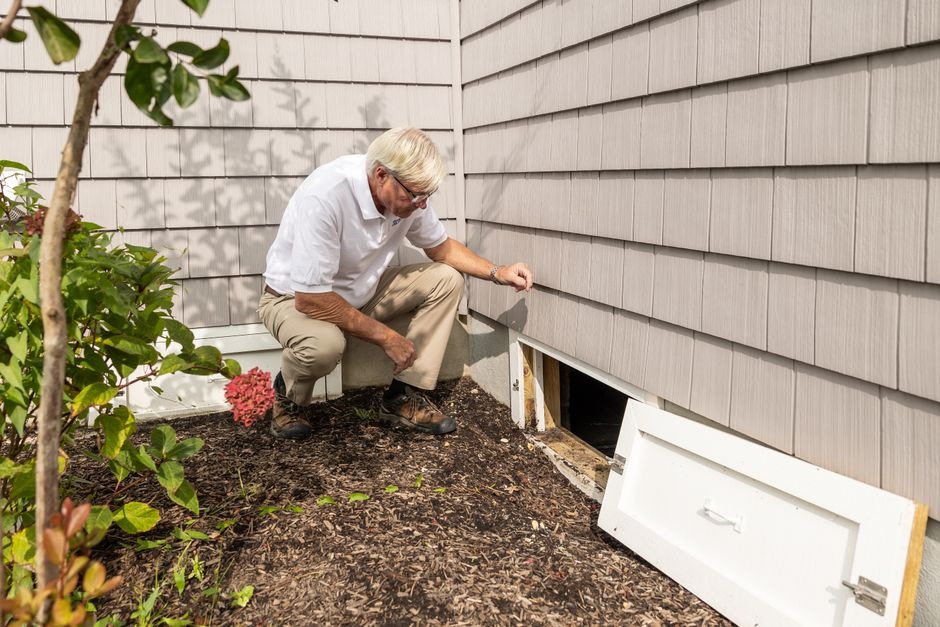
A quick walk around your home can reveal a lot. Press gently near the bottom edge of suspect boards. Look for areas around windows, doors, and rooflines where water tends to collect. If a section feels spongy or looks uneven, there’s a good chance the issue runs deeper than the surface.
This is often the point where a professional assessment saves money. A qualified Hillsboro siding contractor can inspect not just the visible panels but also the likely moisture pathways, flashing details, and installation defects that homeowners usually can’t catch on their own.
Faded color and peeling paint can point to moisture stress
A faded exterior doesn’t always mean you need full replacement. Sun exposure, age, and normal weathering all affect how siding looks over time. The more important detail is whether the fading appears even, or whether it’s concentrated in patches near seams, joints, or trim.
Peeling paint is another clue worth taking seriously. Exterior coatings are supposed to act as part of the weather barrier. When paint starts lifting, blistering, or cracking in isolated areas, it can mean moisture is pushing outward from behind the siding.
Many homeowners repaint too early without addressing the underlying cause. The new finish may look good for one season and fail again soon after. If your paint problems keep coming back, don’t treat them as cosmetic. They may be your home’s earliest visible sign of hidden wall moisture.
Higher energy bills can be tied to failing exterior cladding
You probably don’t think about siding when heating or cooling costs rise. Most people blame the HVAC system first. Sometimes that’s correct, but exterior cladding plays a real role in thermal performance. Gaps, cracks, and moisture-damaged sections can reduce the effectiveness of the building envelope.
When outside air starts slipping in through compromised seams, your home becomes harder to heat in winter and harder to cool in summer. That issue gets worse if wet insulation sits behind damaged siding, since moisture lowers insulation performance.
Pay attention to rooms that feel drafty even when windows are shut. Notice whether one side of the house feels harder to keep comfortable. Those patterns can help identify where the envelope is underperforming. In home maintenance, comfort problems often appear before obvious structural symptoms, which makes them easy to dismiss when they shouldn’t be.
Mold, mildew, and pests change the repair conversation
Once mold, mildew, or insects enter the picture, siding problems stop being simple finish issues. Dark streaks or green growth on the outside may be superficial, especially in shady areas. The more serious concern is what’s happening behind the panels.
Moisture-damaged siding can attract carpenter ants, termites, and other pests that target softened wood. Small entry points around loosened trim or cracked boards also make it easier for insects to get inside wall cavities. If you notice musty smells near exterior walls or unexplained pest activity indoors, your siding may be part of the chain.
At that stage, patching one corner often isn’t enough. You may need a broader inspection that considers drainage planes, flashing integrity, soffits, and trim transitions. The goal is not only to replace damaged material, but to remove the conditions that allowed the damage to develop.

Repair or replace depends on extent, age, and material type
Not every siding issue means full replacement. If damage is limited, the material is still in good shape, and the affected sections can be matched properly, targeted repair may be the smart move. That’s especially true after isolated storm damage or impact damage from debris.
Replacement becomes more practical when failures are widespread, recurring, or tied to an aging product near the end of its service life. It also makes sense when moisture problems involve multiple elevations of the home or when older siding no longer meets your goals for durability and maintenance.
Material type matters too. Fiber cement, vinyl, wood, and engineered wood all age differently and require different remediation strategies. A good contractor won’t jump straight to the most expensive option. You want someone who can tell you whether the issue is cosmetic wear, localized failure, or a building-envelope problem that needs a more complete solution.
A smart inspection looks beyond the visible boards
If you’re trying to decide what to do next, don’t rely only on what you can spot from the yard. Effective siding inspections connect the exterior surface to the systems behind it. That includes flashing, caulking, trim integration, moisture management, and ventilation details.
Ask practical questions during an estimate. Is the damage isolated or systemic? Is water getting behind the siding? Can the affected material be matched? Will repair solve the root cause, or only hide it? Those answers matter more than a quick price quote.
A home exterior project is never just about appearance. It affects energy efficiency, resale value, maintenance demands, and long-term protection against water damage. When you treat siding as part of your home’s performance system rather than a decorative shell, you make better decisions and avoid repairs that only buy a little time.
Catching the problem early gives you more options
The best time to deal with siding damage is usually earlier than feels necessary. Once moisture gets established, choices shrink and costs rise. What could have been a modest repair can expand into sheathing replacement, insulation work, and interior fixes.
Take a slow walk around your home at least twice a year, especially after storm season and at the end of winter. Look closely at lower walls, corner boards, window edges, and any side that gets less sun. If something looks off, trust that instinct and have it checked.
Good exterior maintenance isn’t about overreacting. It’s about noticing patterns before your house forces the issue. When your siding starts sending signals, paying attention early gives you a much better shot at a clean, manageable fix.


DIY Playroom Storage That Grows With Your Kids
Build DIY playroom storage that grows with your kids. Learn how to plan modular cubes, choose durable MDF, anchor tall…