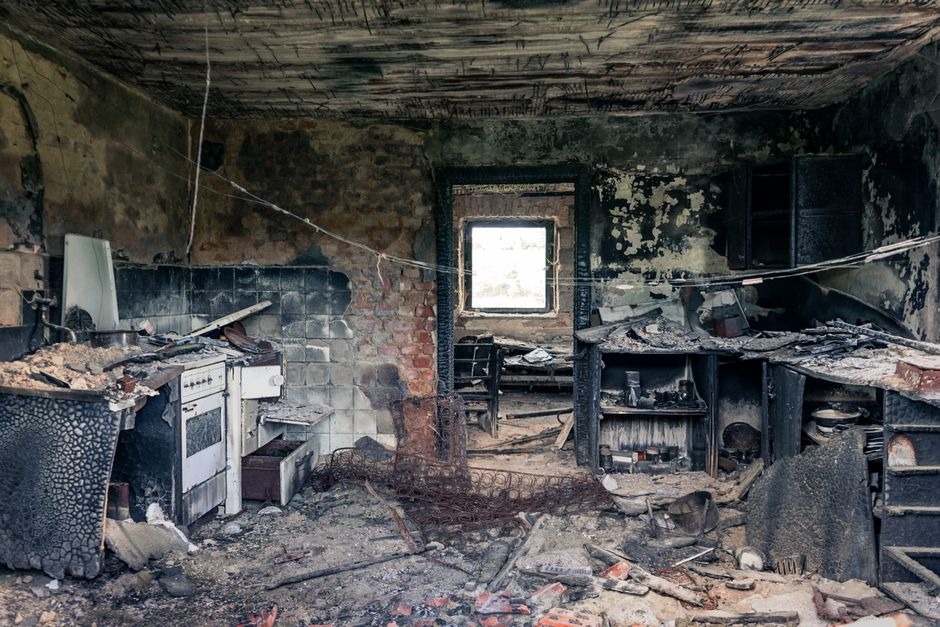
Water damage rarely looks dramatic at first. A damp baseboard, warped floorboard, or ceiling stain can seem minor, but moisture may spread behind surfaces before the damage becomes obvious. Storms, humidity, and plumbing failures can all contribute to household water damage, and waiting can make recovery more complicated. The first 24 hours matter: safe, prompt action can limit damage and help prevent mold.
Table of Contents
Stop the Water and Put Safety First
Your first priority is to determine whether water is still entering the home. A burst pipe, leaking appliance, roof opening, drain backup, or stormwater intrusion requires a different response. If the source is plumbing, turn off the nearest shutoff valve or the main supply if you can reach it safely. Do not climb onto a wet roof or enter moving or deep water to investigate.
Electrical hazards require particular caution. If water is near outlets, appliances, wiring, or the electrical panel, do not walk through it or touch affected equipment. Shut off power only if the breaker is accessible from a dry, safe location. Otherwise, leave the area and contact emergency services or a qualified electrician.
Arrange an Assessment Before Hidden Damage Spreads
Surface drying does not reveal how far moisture has traveled. Water can move beneath flooring, behind baseboards, into wall cavities, under cabinets, and through insulation. If the affected area is extensive or the source is uncertain, professional damage restoration can help identify the source, assess affected materials, and determine what needs extraction, drying, cleaning, or removal.
A proper assessment looks beyond the visible stain. Moisture readings and adjoining-room inspections can locate hidden damp areas and guide the recovery plan.
Document the Damage Before Moving Things
Before cleanup changes the scene, photograph each affected room, wet flooring, damaged furniture, stained ceilings, swollen trim, and the suspected source. Record when you noticed the problem, when the water was stopped, and what steps you took.
Keep receipts for emergency supplies, temporary accommodation, and professional services. Ask your insurer what documentation it requires. Do not delay urgent safety measures while waiting for a response, but photograph damaged items before discarding them.
Separate Belongings Carefully
Move dry belongings away if safe. Lift small furniture off wet flooring and remove loose rugs. Do not handle electrical equipment exposed to water until it has been checked.
Not every wet possession must be discarded, but porous materials can be difficult to dry thoroughly. Carpet padding, particleboard, insulation, upholstered furniture, and some composite flooring may retain moisture beneath the surface. Whether an item can be saved depends on the water source, exposure time, material, and whether it can be cleaned and dried completely. Get advice before discarding valuable belongings.
Use Airflow Only When the Water Is Safe
For a small incident involving clean water, ventilation, fans, and dehumidifiers may help dry accessible surfaces once electricity is safe. Remove standing water with suitable equipment, increase air circulation, and reduce indoor humidity. Open windows only when outdoor conditions will not introduce more moisture.
Fans are not appropriate for every situation. If water may contain sewage, chemicals, or other contaminants, avoid disturbing the area and seek professional guidance. Fans can spread contaminated particles. If the HVAC system or ductwork may have been affected, do not run it until it has been assessed.
Treat Contaminated Water as a Health Hazard
Water from a clean supply line is different from sewage, floodwater, or water that has contacted chemicals. Contaminated water can carry microorganisms, waste, and hazardous substances. Keep children and pets away, avoid direct contact, and do not attempt ordinary household cleanup without suitable protection and expertise.
The CDC’s floodwater safety guidance warns that floodwater can contain sewage, chemicals, sharp debris, and other hazards. If the source is uncertain, treat the water cautiously until it has been assessed. Porous items that cannot be thoroughly cleaned and disinfected may need to be discarded.
Prevent Mold by Drying Thoroughly
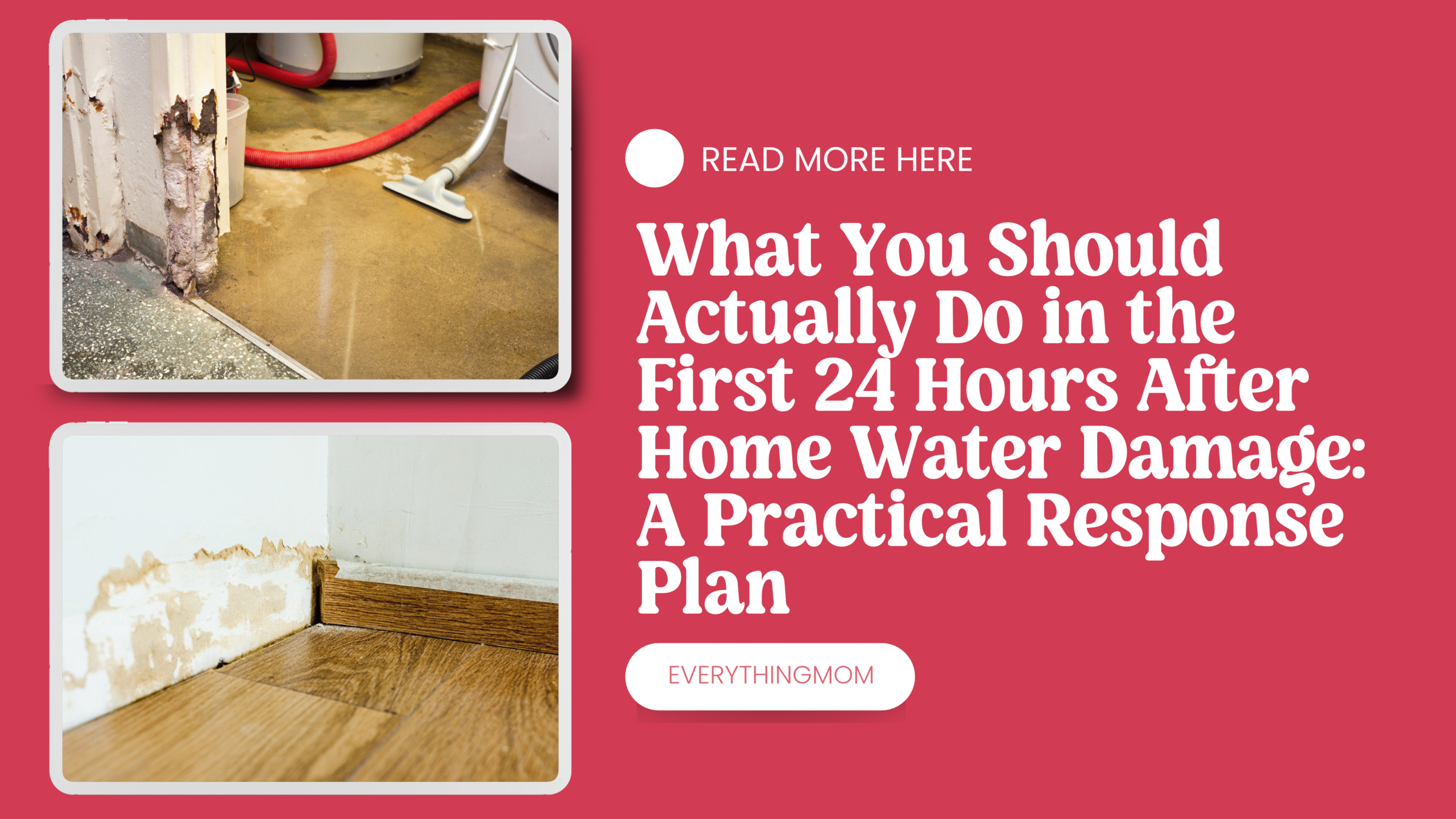
Mold prevention starts with moisture control, not spraying a surface or covering a stain. Wet materials should be dried as quickly and thoroughly as possible. The EPA’s guide to mold, moisture, and the home recommends drying wet or damp areas within 24 to 48 hours. This is a practical target, not a guarantee that mold will or will not develop at a precise time.
Check closets, cabinet interiors, flooring edges, and spaces behind furniture. A musty smell, bubbling paint, swelling trim, or damp insulation can indicate trapped moisture. Fix the source and dry affected materials. Do not paint over damp or moldy surfaces.
Know When DIY Cleanup Is Not Enough
A small spill on a hard floor may be manageable when it involves clean water and can be dried promptly. A different response is needed when water affects several rooms, remains for hours, reaches walls or subfloors, involves sewage, or creates electrical or structural concerns. Extensive damage, visible mold, or suspected contamination calls for qualified help.
Ask which areas were inspected, which materials can be dried, what may need removal, and how completion will be verified. A clear scope of work and moisture checks are more useful than a promise that everything will simply dry out.
Plan the Next Steps, Not Just the First Cleanup
During the first day, keep a record of calls, decisions, receipts, and work completed. Confirm that the water source has been repaired, understand what drying or removal remains, and agree on how progress will be checked. Keep people away from unsafe rooms until they are cleared for use.
The best response is quick but not careless. Stop the source, protect people, document the damage, distinguish clean water from contamination, and ensure affected materials are dried properly. Acting in the right order during the first 24 hours can reduce avoidable damage and make recovery more manageable.


Build DIY playroom storage that grows with your kids. Learn how to plan modular cubes, choose durable MDF, anchor tall units, and adapt for every…

Still borrowing your kids’ fidget toys? Discover sleek, quiet, mess-free fidgets for adults, from metal rollers to keychains, that fit your everyday life.

Make café-style espresso at home, even on busy mornings. A mom-friendly guide to choosing a machine, dialing in shots, and steaming milk for lattes.

Rejected by PayPal or Stripe? Compare the best high-risk payment processors for online stores, including Adaptiv, Durango, SoarPay, and PaymentCloud.

Hurricane evacuation driving tips for the Coastal South: know your route, prepare the car, and stay safe in heavy evacuation traffic in SC, NC and…

Compare iSharing, HeyPolo, and AirDroid Parental Control on free plans, pricing, location history, driving reports, and alerts to find the right fit.