If you’re raising a child in the 2020s and haven’t felt like it’s impossible to do so without screens or devices, then this decade hasn’t touched you yet. Modern parents are so worried sick that some, in their obsession, believe that 59 minutes of screen time is okay, but 61 minutes is harmful.
That is a bit of a stretch, but the struggle is very real. PR Newswire shared a study wherein it was found that parental guilt over kids’ screen time had drastically increased in 2025. 74% of the parents surveyed expressed guilt regarding their child’s screen use. Not only that, but this cycle of negative emotions had increased by 14.3% since the year prior.
Too much screen or too much guilt; is the choice as black and white as this? If only! Keeping that debate aside, the good news is that screen time guilt does not have to take the lead in your parenting journey. This article takes a compassionate glance at why screen time guilt has become so common among parents.
We will also share why it does not define your parenting. By the end, you will hopefully feel less weighed down and more confident about the care and intention you bring to your child’s life.
Table of Contents
Modern Parenting Carries a Thousand (Cacophonous) Voices
Up until the 2020s, word circulated about the present Information Age. It appears that we are entering the ‘Intelligent Age,’ as shared by the World Economic Forum (WEF). Certainly, it has to do with Artificial Intelligence (AI) and its new capabilities. No wonder capital is flowing at top speed, as AI is expected to reach $630 billion by 2028.
However, in matters of life and death like parenting, too many voices, especially when they’re discordant, can be a curse. Be it social media, family members, online forums, or AI-generated advice, voices are in every corner. One may insist that children should be allowed zero screen time, whereas another could share their success story on utilizing the good side of devices.
Most importantly, concerns drift from screen time to bigger issues involving sleep disturbances, health, and attention span. Such complexity cannot be untangled on the internet, right? Many parents then seek guidance from healthcare professionals who understand their parental plight. Among these professionals are pediatric nurse practitioners or NPs.
Their perspective can be valuable as they are trained to view children from a holistic lens. Spring Arbor University shares that the pediatric nurse practitioner student can address the primary healthcare needs of infants, children, adolescents, and their families.
As a result, professionals trained through pediatric NP degree programs are becoming a valuable resource for evidence-based guidance that can help navigate parenting challenges. Other voices may seem conflicting, but those professionally trained to impart grounded advice draw a clear line between legitimate concerns and confusing opinions.
It’s high time we realize that parenting was never meant to be under perpetual scrutiny. As Samuel Vitel, the Director General of Réseau Canopé, said, “It is often through dialogue with parents that children learn to question information, compare different perspectives, and develop their critical thinking skills. This is why parents need support, just as we provide it to teachers and to all education stakeholders.”
When you allow that statement to sink in, screen time guilt will lose some of its power. Most parents care deeply, but their environment, full of advice and expectations, is harming their morale instead of boosting it.
Key Takeaways
- Modern parents receive advice from countless sources, many of which are conflicting.
- Screen time concerns are often associated with wider fears about sleep, health, and emotional well-being.
- Not all parenting advice is the same, which is why trusted professional guidance can be valuable.
- The best way to evaluate advice is to determine whether it is based on evidence or personal opinion.
A Helpful Screen During Hard Moments Is a Mercy, Not a Parenting Failure
Putting it bluntly, parenting is hard. During certain moments, it can get super hard. Psychology Today shares an interesting insight into the pressure modern parents feel. It talks about the rise of intensive parenting, where parents are expected to showcase consistent involvement, emotional responsiveness, and age-appropriate stimulation to meet each child’s unique developmental needs.
At the time of the Boomers, allowing a child to self-soothe was the common practice. Children back then were even given room to feel bored, which helped them discover healthy ways to stay entertained. At best, a child would receive a toy that they had to play with, perhaps throughout their childhood. Today, you’re not a good parent if you don’t constantly engage with your little ones.
Are you noticing the stark cultural contrast? We may have made things more complicated than they should be. On that note, just take a break from social media if you need to, in case you feel a comparison rise in your heart watching other parents.
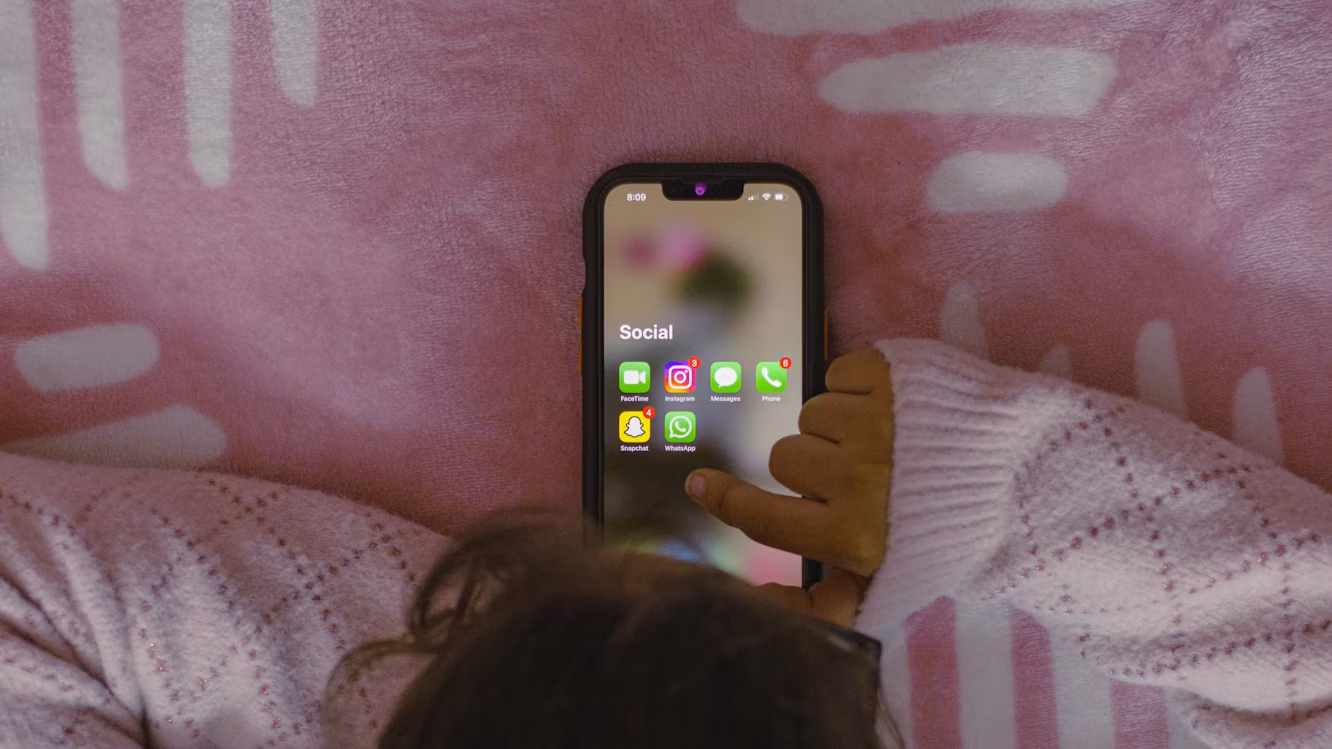
Suppose you’re cooking dinner or managing work responsibilities when your child asks for attention. In such moments, handing over a device can seem like the easiest way out. The New York Post shared that nearly 90% of parents argue with their children about screen use. A frequent point of conflict includes the time spent on using technology, especially during bedtime.
What stands out here is the fact that managing screen time is a part of daily boundaries and negotiation. It is in line with the reality that technology is deeply embedded in children’s lives. In that context, allowing screen time during an overwhelming moment does not define parenting as a whole.
What’s important is to establish firm boundaries from the very first time. Plus, not every cry for attention must be met with a smartphone or a tablet. Essentially, you keep devices as a last resort when all else seems to fail, including your sanity.
Key Takeaways
- Screen time is not a one-time decision, which makes it a double-edged sword that must be wielded wisely.
- Parents using devices during difficult moments can be a way to manage real-life demands.
- Frequent screen-related conflicts can increase guilt, despite trying your best.
- Screen time management should be a part of daily decisions rather than a moral judgment on parenting ability.
A Child’s Heart Seeks Presence, Not Perfection
It’s not uncommon for parents to replay their day on a loop as they scrutinize every word, tone, and action. That’s usually when the drumbeat of ‘not good enough,’ which includes screen time guilt, creeps in. There are no shortcuts to accepting the fact that a ‘perfect’ parent is a myth.
The reason this is good news is that no child ever measures their parents on the scales of perfection. They are always seeking connection and presence. A 2025 study discovered that parental perfectionism was a major predictor of burnout. This suggests that pursuing flawlessness may undermine the very relationship parents are trying to protect.
Screen time guilt generally promotes an all-or-nothing thinking. Parents may feel like a difficult afternoon somehow cancels out all the positive things they are doing. A screen-free day does not automatically guarantee a meaningful connection, whereas occasional screen use can be a part of a home filled with warmth and healthy boundaries.
Children need parents who continue to show up, admit mistakes, and make changes based on what they learned. Now, you have to establish firm boundaries on your child’s screen time, but it need not become the sole measure of your parenting success.
Key Takeaways
- Children remember their parents’ presence, not their perfection.
- Connection helps build trust and emotional security over time.
- Healthy screen boundaries remain important and should not be neglected.
- Simple rituals that enhance connection, such as family meals and walks, can help replace the emptiness of devices.
- If a day doesn’t go as planned, it is best to focus on reconnecting rather than dwelling in guilt.

FAQs
How much screen time is actually too much for children?
There is no universal number that applies to every child. A healthy approach looks beyond the clock and considers factors such as your child’s age, the quality of the content, physical activity, and your child’s behavior before and after using devices. Instead of aiming at perfection, focus on creating healthy boundaries that fit your family’s needs.
Should parents feel guilty about giving their children devices during difficult moments?
Not necessarily, since parenting involves juggling work, household responsibilities, and a child’s emotional needs. Using a device occasionally to get through a challenging moment does not define your parenting. However, screens are temporary tools and must be balanced with conversation, play, and outdoor activities.
Where should parents look for trustworthy advice about children’s screen time?
With parenting advice coming from social media, online forums, and influencers, it can be difficult to determine what to trust. If screen time concerns involve your child’s sleep, behavior, and development, it is best to seek guidance from qualified healthcare professionals. Their recommendations will be based on evidence and a holistic examination.
Screen Time Guilt At a Glance
| Recent study shared by PR Newswire on parental guilt over kids’ screen time | 74% of the parents surveyed expressed guilt regarding their child’s screen use The cycle of negative emotions had increased by 14.3% compared to 2024 |
| World Economic Forum (WEF) on projections regarding capital invested in AI | Expected to reach $630 billion by 2028 |
| Psychology Today on intensive parenting | Parents are expected to showcase consistent involvement, emotional responsiveness, and age-appropriate stimulation to meet each child’s unique developmental needs |
| 2025 study on parental perfection | Was found to be a major predictor of burnout |
We hope you can shed the (false) guilt associated with screen time. However, screen time itself cannot be placed on the back burner. If you offer your child a tablet or smartphone every once in a while, it won’t affect their future.
However, unchecked screen time is a disaster in the making. For most families, balance is a much more realistic goal than choosing between total elimination and unrestricted access. The most effective way to create that balance is to start early. That makes it easier for the child to adapt to healthy boundaries.
Encourage offline hobbies and play, and set an example with moderate technology use in your own daily life. Also, focus on the quality of content and the context of screen use. Above all, remember that children benefit not only from healthy boundaries but also from grace, both from their parents and for their parents.