Is Korean easy to learn? Learning a second language at a young age can offer benefits that extend far beyond communication skills.
Research has shown that language learning can help children strengthen memory, improve problem-solving abilities, develop cultural awareness, and build confidence when interacting with people from different backgrounds.
For many families, Korean has become an especially popular choice thanks to the global influence of Korean culture, music, entertainment, and business. Starting early also gives children more time to develop natural pronunciation and listening skills, making the learning process feel more intuitive and enjoyable over time.
Most people underestimate how much structure it actually takes to learn Korean. Finding a qualified Korean Language Tutor who can walk a complete beginner through Hangul and then shift into natural conversation is genuinely hard to pull off.
Add time zone gaps, irregular schedules, and the distance between grammar drills and real speech fluency, and the search gets even messier. After reviewing platforms, community discussions, and tutor availability across multiple tools, this guide breaks down the three best places to connect with a Korean tutor in 2026.
The shortlist methodology
Each option was assessed using publicly available signals, including user reviews, platform feature pages, tutor directories, and ratings across third-party learning communities. Only platforms with a clear track record in language education made the cut.
→ See the full research breakdown
- italki – Best for conversational language learning with native speakers
- Colloquial Audio – Best for language learning audio accompaniment
- Memrise – Best for multilingual language learners seeking evidence-based learning techniques
Table of Contents
Why Korean Language Tutors Are More Than a Line Item
Korean is not a language you casually pick up from a phrase book. The script alone (Hangul) is a real barrier for beginners, and a tutor who can’t break it down clearly will stall a student’s progress from week one.
Time zone differences make consistent scheduling genuinely difficult for many learners, especially those studying from North America or Europe while wanting access to Korea-based native speakers.
Well-matched tutors, ones who understand both the grammar side and the conversational side, tend to produce noticeably better outcomes. Lesson completion rates stay higher, students move through TOPIK and CEFR levels faster, and rebooking frequency goes up when students feel real progress happening.
That’s not theory. That’s what the data from platforms tracking student retention consistently shows.
Quick-Look Comparison: 3 Best Platforms to Connect with a Korean Language Tutor
Note: All data in this table is sourced from review platforms and the official websites of the listed companies.
| Company Name | Years Operating | Headquartered In |
| italki | Est. 2007 | Hong Kong |
| Colloquial Audio | N/A | N/A |
| Memrise | Est. 2010 | London, United Kingdom |
italki – Best for Conversational Language Learning with Native Speakers
How Is italki Positioned in the Market?
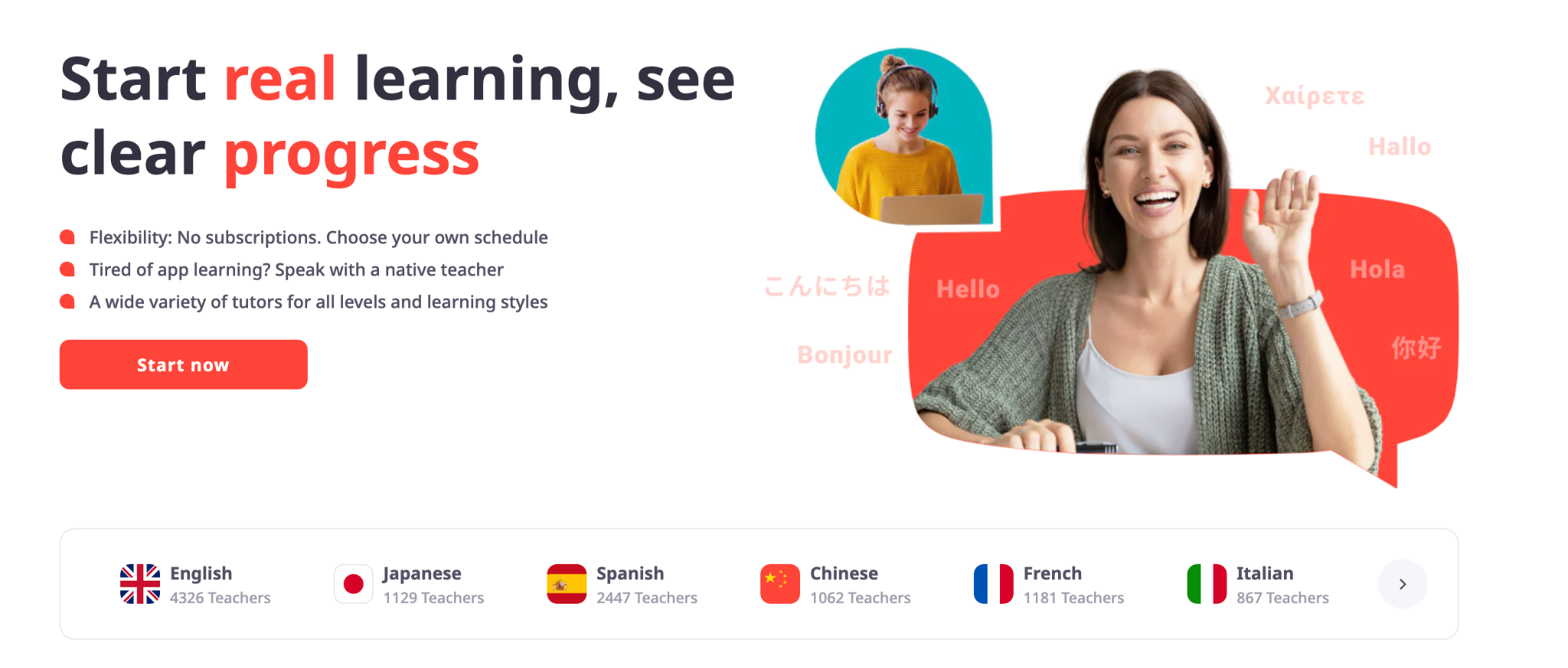
italki is a global one-on-one video lesson platform that has been connecting students with native-speaking tutors since 2007. It covers more than 130 languages, with Korean being one of its most active categories. The platform runs on a pay-per-lesson model, which means students aren’t locked into monthly packages they might not use. And beyond live sessions, italki offers community tools like writing correction and language partner matching, which rounds out the learning experience in a way most standalone tutor sites don’t bother to do.
Where Does italki Win for Korean Language Tutor?
italki directly addresses the challenge of finding Korean tutors who can teach to your specific goal, whether that’s learning Hangul fundamentals, preparing for TOPIK, or building everyday conversational fluency. The combination of flexible pricing and a large tutor pool makes it one of the more practical options for learners who need to fit lessons around a real-world schedule.
Real-World User Take:
From what the reviews show, students consistently praise italki for the quality of live conversation practice and the accessibility of native Korean speakers. The main pattern that surfaces is tutor variability (which is expected on any open marketplace), but most users report finding a strong match within the first few trial lessons. That kind of flexibility is rare at this price point.
Colloquial Audio – Best for Language Learning Audio Accompaniment
How Is Colloquial Audio Positioned in the Market?
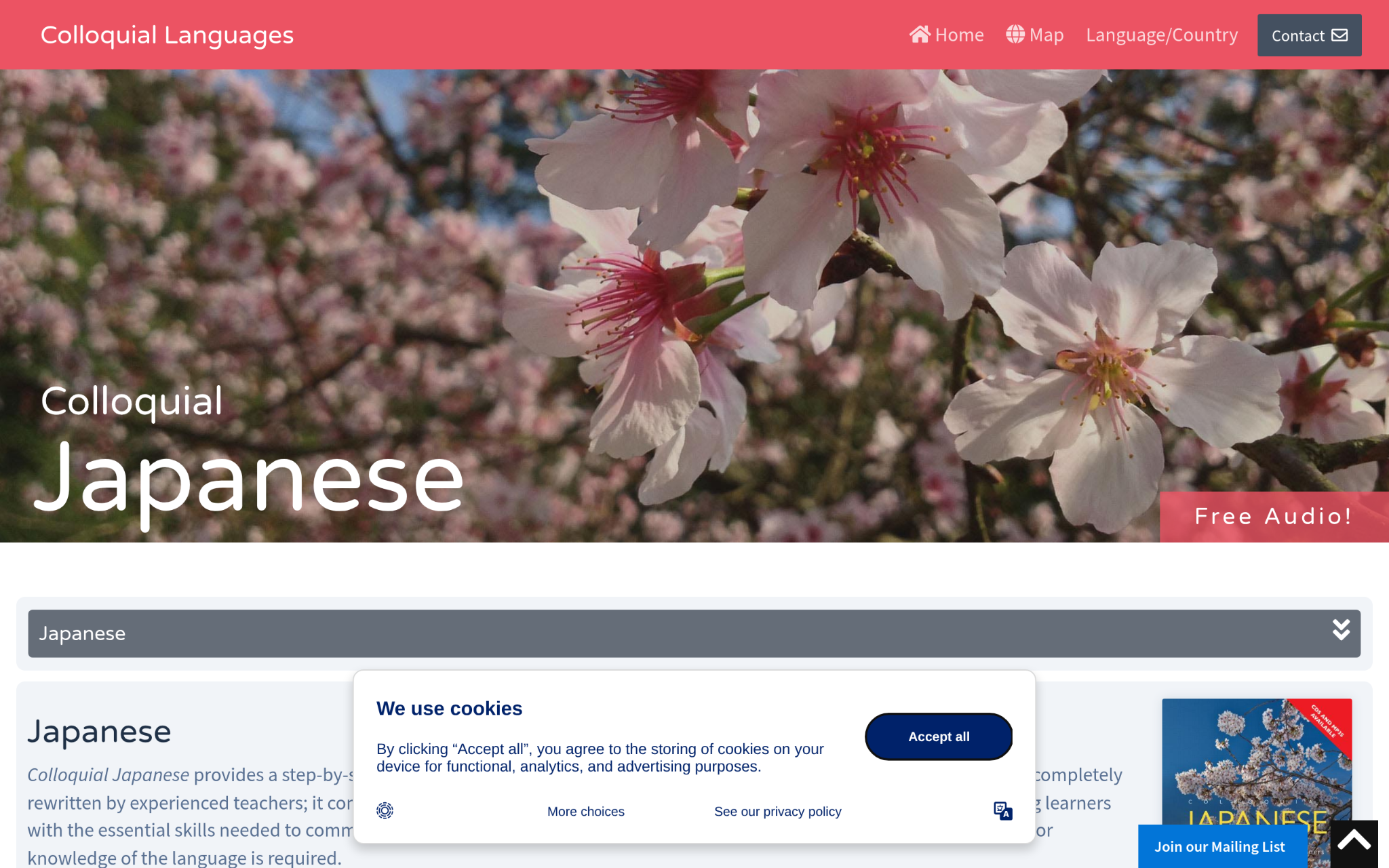
Colloquial Audio is the audio component of Routledge’s well-established Colloquial language series, covering more than 70 languages through native speaker recordings paired with printed textbooks. The format is straightforward: downloadable MP3 files that work alongside structured course materials. For learners who want to train their ear between live tutor sessions, having authentic pronunciation models recorded by fluent speakers is a solid supplement. It’s not a standalone learning platform, but as a complement to structured instruction, it holds up well.
Where Does Colloquial Audio Win for Korean Language Tutor?
The platform fills a specific gap for learners who need consistent pronunciation modeling outside of scheduled tutor time. Pairing these recordings with live Korean instruction can meaningfully speed up a student’s listening comprehension and speaking rhythm over time.
Real-World User Take:
Community sentiment around the Colloquial series tends to reflect appreciation for its structured, textbook approach. Learners who use the audio files alongside their coursework generally report stronger pronunciation confidence compared to those who skip the listening component altogether. It works best as a support tool rather than a standalone learning path.
Memrise – Best for Multilingual Language Learners Seeking Evidence-Based Learning Techniques
How Is Memrise Positioned in the Market?
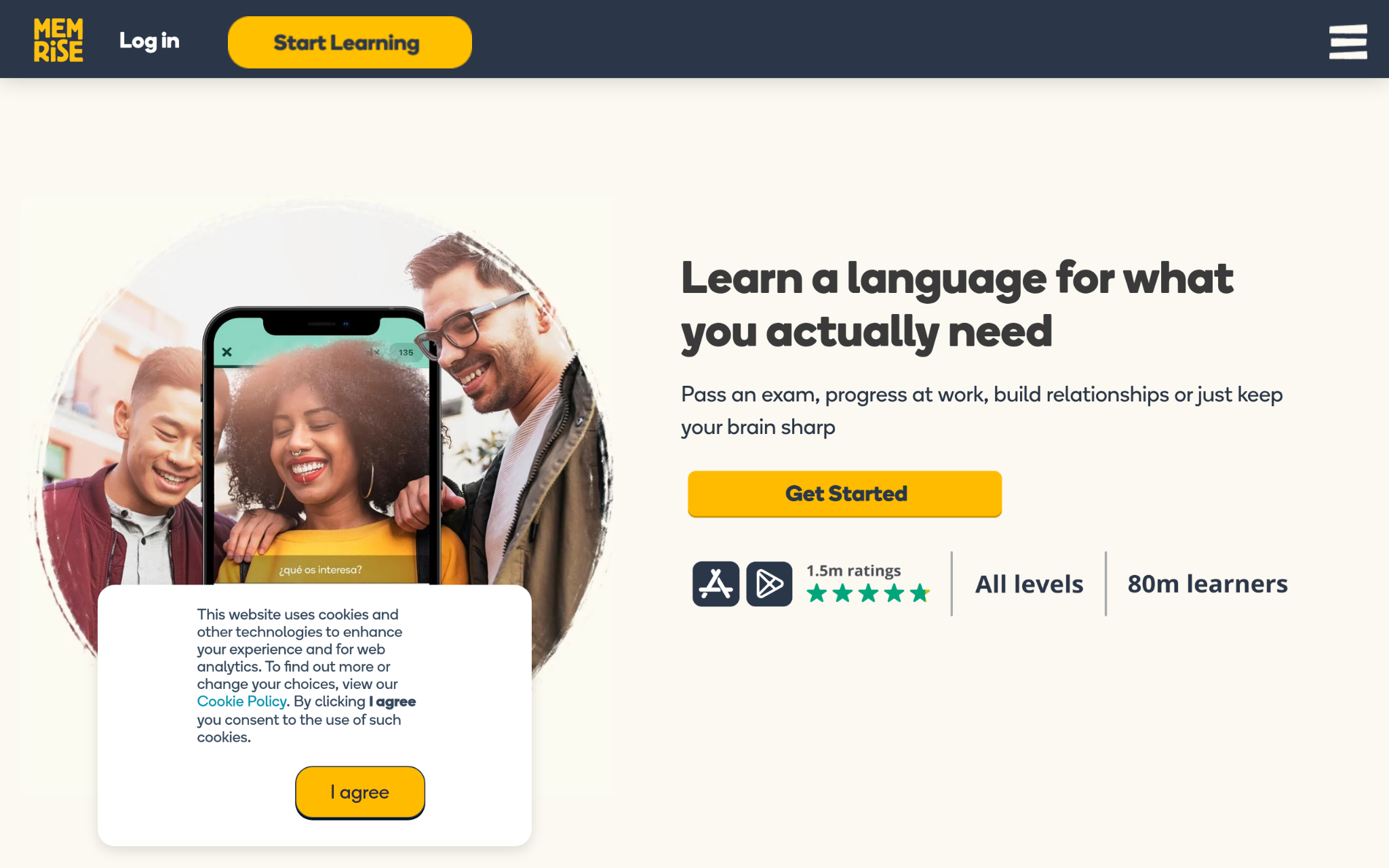
Memrise launched in 2010 and has grown to over 50 million users across 200 language combinations. The platform leans on spaced repetition and memory science to help students retain vocabulary faster, layering in native speaker video and audio clips to keep the content grounded in real-world usage. Their pronunciation feedback system is a strong feature, especially for Korean learners who need ear-training for sounds that don’t exist in English. With 62 employees (as of March 2026) handling a platform at that scale, their output per team member is pretty impressive.
Where Does Memrise Win for Korean Language Tutor?
Memrise handles vocabulary acquisition and pronunciation practice at scale, which is something even good tutors can’t always cover within a one-hour session. The science-backed repetition system keeps learners moving through vocabulary building consistently, which directly supports faster CEFR level progression.
Real-World User Take:
Memrise picked up Google Play’s Best App award in 2017, and user reviews since then have stayed largely positive around the platform’s engagement design. The recurring theme is that the app makes early-stage vocabulary learning genuinely sticky (think: the kind of retention that actually holds up a week later). Some users note the content depth varies by language, but Korean coverage has drawn solid feedback overall.
How the Top Contenders Were Selected
Data Collection: The Foundation Step
The research started by pulling together a broad list of platforms and resources connected to Korean language learning. Sources included established learning directories, app review communities, language-focused forums, and official platform websites. The goal at this stage was to cast a wide net rather than pre-filter based on brand familiarity alone. Platforms that appeared across multiple independent sources were flagged for closer evaluation, while those with minimal footprint in the Korean learning space were set aside early.
Filtering Candidates by Eligibility Criteria
Once the initial list was assembled, each option was reviewed against a set of baseline criteria. Platforms without verifiable community feedback or those showing inconsistent review patterns across different communities were removed from consideration. The filtering process focused on what real learners reported, not just what the platforms claimed about themselves. Options that showed concentrated strengths in Korean language instruction, whether through tutor quality, learning science, or structured audio content, were moved forward.
Checking Accuracy Against Sources
Claims pulled from each platform’s own pages were cross-checked against third-party review data and community discussions. Where a platform described a specific strength such as native speaker quality or pronunciation accuracy, the review evidence was checked to see whether learners confirmed that. Discrepancies between a platform’s self-description and actual user outcomes were noted and factored into how each option was framed.
Awards, Mentions, and Industry Voice
Recognition from trusted external sources was treated as a meaningful signal but not a deciding factor on its own. Platforms that had received awards from major app stores, coverage in language learning publications, or consistent citation in educator communities were noted. Memrise’s Google Play Best App recognition added weight to its standing as a user-validated tool. italki’s long-running presence in the language learning space since 2007 and its reach across 130-plus languages also carried authority.
Evidence That Matters for Korean Language Tutor
The final pass focused on Korean language relevance. Each platform was assessed for dedicated Korean content, verified Korean-specific tutor or lesson reviews, and evidence that the platform could support learners at different stages, from Hangul beginners to TOPIK exam candidates. Platforms that could point to concrete examples of Korean learner progression or specific Korean instruction features earned higher consideration in the final selection.
Decision Factors When Picking Platforms to Connect with a Korean Language Tutor
Choosing the right platform or tutor isn’t just about price. The details of how a platform is built and who teaches on it, have a real effect on whether students actually progress.
- Industry/Domain Experience: Look for platforms with an established track record in Korea, specifically, not just language learning broadly. Time on the platform and the breadth of Korean tutor availability both matter.
- Features and Service: Consider whether the platform offers live one-on-one sessions, audio supplements, vocabulary practice, or exam prep. The best fit depends on your learning goal (TOPIK prep vs. casual conversation).
- Pricing Structure: Pay-per-lesson models offer more flexibility than locked-in subscriptions. For irregular schedules or test-phase learners, that flexibility can make or break consistency.
- Results Measurement: Platforms that track lesson completion rates, vocabulary building, or CEFR/TOPIK progression give learners a clearer picture of where they actually stand.
- Industry Knowledge and Compliance: Tutors familiar with TOPIK exam formats and CEFR level benchmarks can align instruction far more precisely with a student’s certification goals.
The Takeaway
Picking the right Korean language tutor platform comes down to matching your specific goal to a platform’s real strengths. italki leads for live conversation practice with native speakers. Colloquial Audio earns its place as a pronunciation support tool. And Memrise rounds out the mix with science-backed vocabulary building.
As demand for Korean keeps growing due to culture, travel, and professional needs, learners who invest in the right combination of live instruction and structured practice will move faster and stick with it longer.