Choosing a career can be challenging. You want something interesting enough to keep you invested but reliable enough that you won’t regret the commitment halfway through. If speech language pathology has caught your attention, there’s good reason to give it a closer look.
Speech language pathologists (SLPs) work at the intersection of healthcare, education, and communication, helping people overcome challenges that affect everyday life. And with opportunities across multiple settings and populations, the field offers more variety than its name might suggest.
So, is now a good time to become an SLP? Here’s what prospective professionals should know.
Table of Contents
What Does a Speech Language Pathologist Actually Do?
Forget the stereotype that speech language pathology is exclusively about helping kids pronounce their letters. SLPs can address a wide range of communication and swallowing challenges involving speech, language, voice, fluency, cognition, and feeding.
They may help a preschooler develop language skills, support an adult recovering from a stroke, or work with someone experiencing swallowing difficulties. Completing speech language pathology programs is an important step toward gaining the education and supervised experience needed to enter the field.
Demand for SLPs Is Looking Strong
Career stability matters, especially when you’re considering investing years into education and training. Fortunately, speech language pathology has a promising employment outlook.
Several trends contribute to demand. Growing awareness of developmental and communication disorders can lead more families to seek services earlier. Similarly, an aging population may increase the need for professionals who treat speech, cognitive-communication, and swallowing problems associated with strokes, neurological conditions, and other age-related concerns.
Demand isn’t identical everywhere, of course. Opportunities can vary depending on location, specialty, and setting, so researching the market where you hope to work is worthwhile.
You Have More Career Options Than You Might Think
One of the biggest perks of speech language pathology is variety. SLPs aren’t tied to a single type of workplace or patient population.
Schools are major employers, but SLPs can also work in hospitals, rehabilitation centers, private practices, nursing facilities, clinics, universities, and through telepractice. Someone who starts their career working with children may eventually decide that rehabilitation or adult care is a better fit.
Compensation Can Be Attractive, but It Depends on Your Path
SLP salaries can vary considerably based on experience, geographic location, specialty, and employer. School-based professionals may have schedules that align with the academic calendar, while healthcare or private-practice positions may offer different compensation structures.
The bigger picture matters. Rather than focusing exclusively on a salary figure, compare earning potential with education costs, benefits, schedule flexibility, and the type of work you’d actually enjoy doing each day.
There Are Some Educational Hurdles To Consider
Speech language pathology can be a rewarding career, but you likely won’t walk into your first clinical position after watching a few online tutorials. Becoming an SLP requires a significant commitment to education and hands-on training.
The typical path includes undergraduate coursework followed by a master’s degree in speech language pathology. Aspiring SLPs also complete supervised clinical experiences and must meet applicable state licensing requirements. Depending on the position, professional certification may be another important consideration.
Before committing, consider the overall investment rather than tuition alone. Consider how long your education will take, potential student loans, living expenses, and what you could realistically earn after graduation. Comparing those numbers can help you decide whether the career makes sense for your circumstances.
The Human Side of the Job Can Be a Major Draw
Salary and job stability are important, but they aren’t the only reasons people enter speech language pathology. This is a profession where your work can have an immediate, tangible impact on someone’s everyday life.
Imagine helping a child find a more effective way to communicate at school or supporting an adult as they rebuild communication skills after an injury. SLPs can form meaningful relationships with clients and their families while helping them work toward highly personal goals.
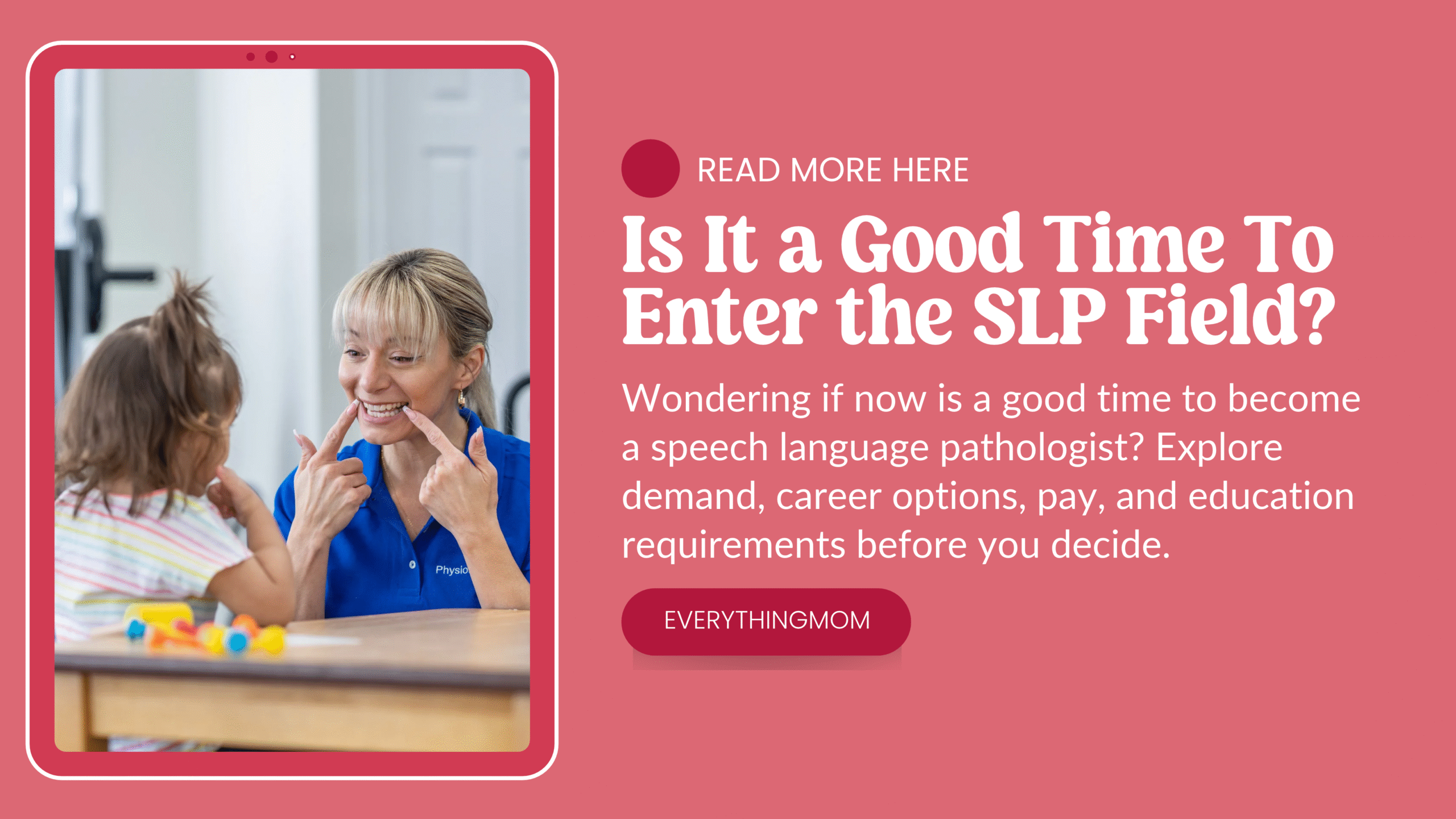
So, Is Now a Good Time To Become an SLP?
For many prospective students, the answer could be yes. Speech language pathology combines several qualities people often look for in a long-term career: diverse opportunities, specialized expertise, meaningful work, and the ability to serve diverse populations.
Still, don’t choose the field based solely on employment projections. Consider whether the actual work aligns with your personality and goals. Talk with practicing SLPs, investigate educational requirements, and, if possible, observe professionals working in different settings.
Turn Your Interest in Communication Into a Career That Makes a Meaningful Difference
There is no universally perfect time to start any career. The better question is whether speech language pathology is a good fit for what you want your future to look like.
If you’re fascinated by communication, enjoy science and problem-solving, and want work centered around helping people, SLP deserves a spot on your shortlist. Do your homework, compare your educational options, and learn about the realities of the profession. If what you discover still leaves you excited, entering the SLP field could be a decision worth talking about.

- Finding Your Personal Style After Motherhood: Fashion and Beauty Tips for Busy Moms
- Making the Most of Coastal Family Holidays: Outdoor Activities, Packing Tips and Hydration Essentials
- How to Design a Functional Home for Busy Families and Changing Lifestyles
- Is It a Good Time To Enter the SLP Field?
- Small Bedroom Upgrades That Help Tired Parents Sleep Better