
Parents are experts at putting themselves last. A child’s cough gets a same-day appointment, while a parent’s aching back waits months. Chronic pain slips into that gap and quietly settles in. Over time it costs far more than the discomfort itself.
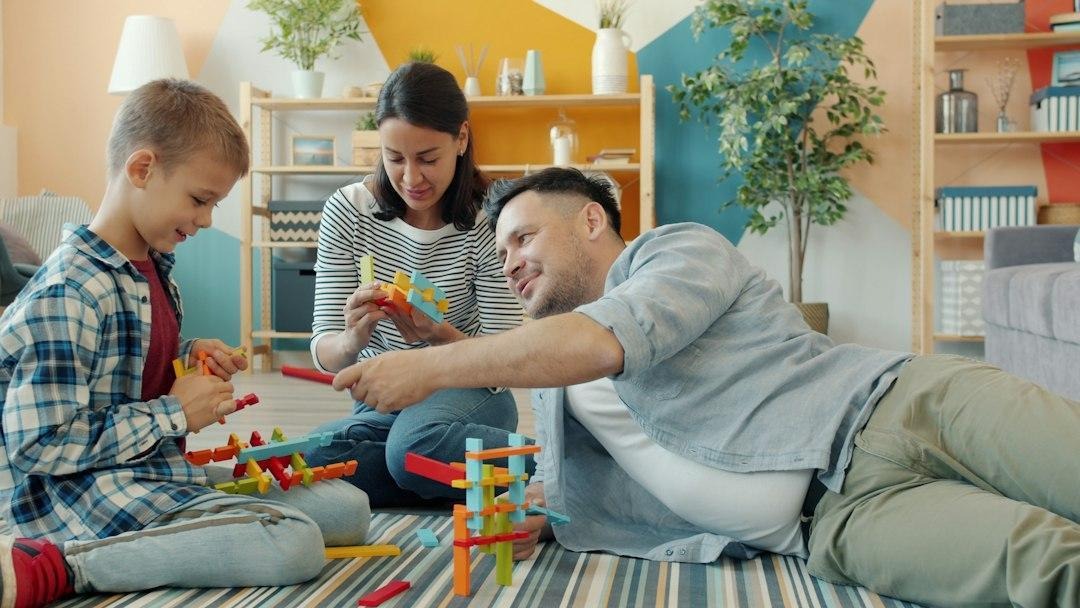
Taking your own pain seriously is not selfish; it is how you stay in the game for your kids. For families in northern New Jersey, Core Medical & Wellness in Closter gives parents a place to finally address it. This guide covers why parents ignore pain, what it costs a family, how to get help, and small habits that support recovery.
Table of Contents
Why Do Parents Ignore Their Own Pain?
The reasons are understandable but costly. Time, money, and guilt all push a parent’s health down the list. There is always someone else who seems to need attention first. Surveys suggest well over half of parents routinely postpone their own medical care. So the pain gets normalized until it no longer feels optional to fix.
A few familiar patterns:
- No time. The calendar is already full.
- Guilt. Spending on yourself feels indulgent.
- Habit. Everyone else comes first, always.
- Fear. Worry about what a diagnosis might mean.
Recognizing that self-care is not a luxury but a necessity is the first shift. A parent running on empty helps no one for long, however hard they push. Addressing pain is part of showing up, not stepping back from the family.
What Does Untreated Pain Cost a Family?
Pain rarely stays contained to the person feeling it. It shortens patience, drains energy, and pulls a parent out of the moment. Kids notice the missed games and the shorter temper. What looks like a personal issue becomes a family one.
The hidden costs add up:
- Presence. Missed moments you cannot get back.
- Mood. Constant pain frays patience quickly.
- Energy. Less of it for play and connection.
- Example. Kids learn how you treat yourself.
The steadiness a calm morning routine is meant to bring is hard to sustain while quietly hurting. Treating pain protects the family’s daily rhythm, not just your own comfort. Everyone benefits when a parent feels genuinely well.
How Do You Get Help Without Upending Life?
Getting care is more manageable than most parents fear. The first step is simply booking an assessment with a real specialist. From there, a plan is built around your actual schedule. Modern pain care offers far more than pills.

A realistic path looks like this:
- Assess. A specialist finds the true cause.
- Plan. Treatment fits your life, not the reverse.
- Move. Guided activity rebuilds strength safely.
- Adjust. The plan flexes as you improve.
Staying gently active matters, and simple guidance on staying physically active helps you start without overdoing it. Even gentle tai chi movement can fit between school runs and bedtime. Small, consistent steps beat waiting for a free week that never comes. A ten-minute walk after dinner counts more than you might think. Even 20 to 30 minutes of gentle activity most days can ease stiffness and lift mood.
What Small Habits Actually Help?
Beyond treatment, daily habits keep pain from taking over. None of them require extra hours you do not have. They slot into the routine you already run. Consistency is what makes them work.
Weave in these where you can:
- Move often. Short walks beat long sitting.
- Sleep first. Rest is when the body repairs.
- Ask early. Address new aches before they grow.
- Accept help. Let others share the load.
Small mental resets, like daily meditation for moms, ease the stress that makes pain feel worse. Keeping a few self-care reminders for busy moms visible helps the habit stick on hard days. Little by little, these choices give you more of yourself to give. None of them demand a perfect schedule, only a bit of consistency. Protecting 7 to 9 hours of sleep, the amount adults need to repair, does more than almost anything else.
Showing Up for the People Who Need You
Chronic pain does not have to define your years as a parent. Take it seriously early, get a real assessment, and follow a plan built around family life rather than against it. Stay gently active, protect your sleep, and let the people around you help carry the load. Caring for your own body is one of the most generous things you can do, because it keeps you present for the people who need you most.
Handled that way, treatment becomes an investment in the whole family, not a guilty indulgence. The version of you that feels well is the parent your kids most need around.
Frequently Asked Questions
Is It Normal to Put Off My Own Health as a Parent?
It is extremely common, but it is not wise. Parents routinely delay care for themselves while prioritizing everyone else, and small problems grow as a result. Treating your health as essential, not optional, actually makes you more available to your family. Addressing pain early usually means simpler treatment and far fewer missed moments down the line.
How Do I Find Time for Pain Treatment?
Start by treating appointments like any other family commitment. Many assessments are shorter than expected, and follow-ups can often be brief or virtual. Think of the time as protecting your ability to keep up with your kids for years. A few hours now can prevent months of struggling through pain that only worsens.
Will My Kids Think Less of Me for Needing Help?
Quite the opposite. Children learn how to treat their own health by watching their parents. Showing them that you take pain seriously and seek help models self-respect and good judgment. Far from seeming weak, addressing your health teaches a lesson that serves them for life. Caring for yourself is part of caring for them.
What Kind of Treatment Can I Expect?
A good pain-management practice starts by finding the real cause, then builds a plan that may include physical therapy, targeted treatments, and lifestyle guidance. The goal is lasting function, not just masking symptoms. Care is tailored to your body and your schedule. Ask questions and share your daily realities so the plan actually fits your life.


The Baby-Proofing Step Most Parents Skip
Outlet covers and cabinet locks help, but they can’t stop every emergency. Here’s why infant CPR and choking relief belong…