Toddlers own an astonishing amount of stuff. Chunky blocks, board books, a plastic kitchen with 40 tiny pieces of fake food. Then, almost overnight, they’re five and the blocks are gone, replaced by LEGO sets, art supplies, and a rock collection nobody asked for.
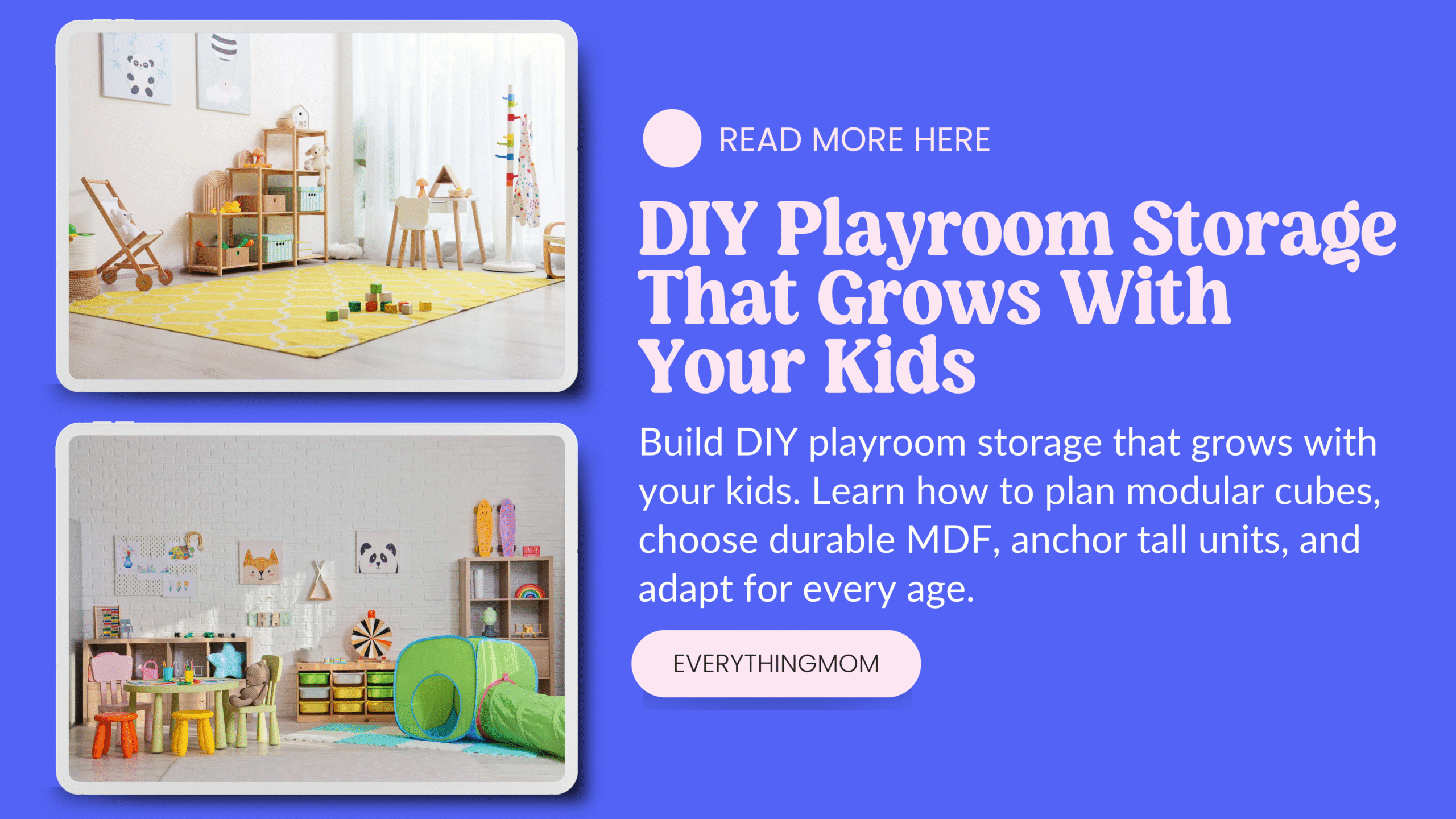
Store-bought storage rarely keeps up. That cute cubby unit sized for a two-year-old feels babyish by kindergarten, and you end up buying again. Building your own pieces, designed to shift and adapt, saves money and gives you something sturdy enough to last until the teen years. Here’s how to plan it.
Table of Contents
Start With a Flexible Foundation
The smartest playroom storage isn’t a single piece of furniture. It’s a system. Think of it as a frame that stays put while the contents change around it.
Choose Materials That Can Take a Beating
Kids climb, kick, and color on everything. Solid pine looks lovely but dents easily and costs more per board. Medium density fiberboard is a popular pick for DIY parents because it’s smooth, stable, and takes paint beautifully. Ordering cut to size MDF saves you from wrestling full 4×8 sheets onto a borrowed truck, and it means your shelf sides, tops, and dividers arrive ready to assemble. Look for 18mm (roughly 3/4 inch) thickness for shelves that will hold books, since thinner panels tend to sag under weight over time.
Seal and Paint for Durability
Raw MDF soaks up moisture like a sponge, so prime every surface, including the edges. A coat of shellac-based primer followed by two coats of a satin or semi-gloss enamel creates a finish you can wipe down after a marker incident. Skip flat paint. It shows every fingerprint.
Build Low Now, Stack High Later
Toddlers need everything within reach. If a toy lives on a shelf they can’t touch, it might as well not exist. Start with a long, low bench-style unit, about 18 inches tall, that doubles as seating or a spot for a train table.
Add Modular Cubes
Build a set of identical open cubes, roughly 13 inches square, that can sit on top of the bench as your child grows. At age two, they stay on the floor. By six, you can stack them two or three high and anchor them to the wall. Matching dimensions are the secret here; standard fabric bins from Target or IKEA slide right in, so you can swap the bins without rebuilding anything.
Always Anchor Tall Pieces
This one isn’t optional. According to the Consumer Product Safety Commission, thousands of kids land in the emergency room every year because furniture or TVs tipped onto them. Any unit taller than 30 inches should be secured to a wall stud with anti-tip straps or L brackets. They cost a few dollars. Use them.
Plan for Each Stage of Childhood
The Toddler Years
Open bins beat drawers at this age. Little hands can’t manage pulls well, and toddlers love dumping. Label bins with photos instead of words so even a 20-month-old knows where the blocks go. Rotating toys helps too. Keep half in the closet and swap them every month, which makes old toys feel new again.
Elementary School
Collections get smaller and more numerous. Think beads, trading cards, and tiny LEGO minifigures. Swap a few of the big bins for shallow drawer inserts or clear plastic boxes. A pegboard panel mounted above the cubes is great for hanging art supplies, headphones, and craft scissors.
Tweens and Beyond
Eventually the playroom becomes a hangout space or homework zone. Add a hinged lid to the original bench and it becomes a storage seat for board games. Stack the cubes into a bookcase. Paint everything a grown-up color like navy or sage, and suddenly nobody is calling it a playroom anymore.
Small Details That Make a Big Difference
Rounded corners: Sand every edge and corner with 120 grit sandpaper before priming. Foreheads will thank you.
Swappable labels: Chalkboard labels or clip-on tags let you update categories as interests change.
Soft-close hinges: Any cabinet door should close slowly to protect fingers.
Wall space: Floating shelves above eye level can hold keepsakes and display LEGO builds kids are proud of.
Get the Kids Involved
Let them pick the paint color for one cube. Hand a seven-year-old a sanding block and watch them take ownership. Kids who help build their storage are far more likely to actually use it, and you’ll hear about “the shelf I made” for years.
A weekend of work and a few hundred dollars in materials can give you storage that handles board books today and textbooks a decade from now. Build it simple, build it sturdy, and let it change as fast as your kids do.

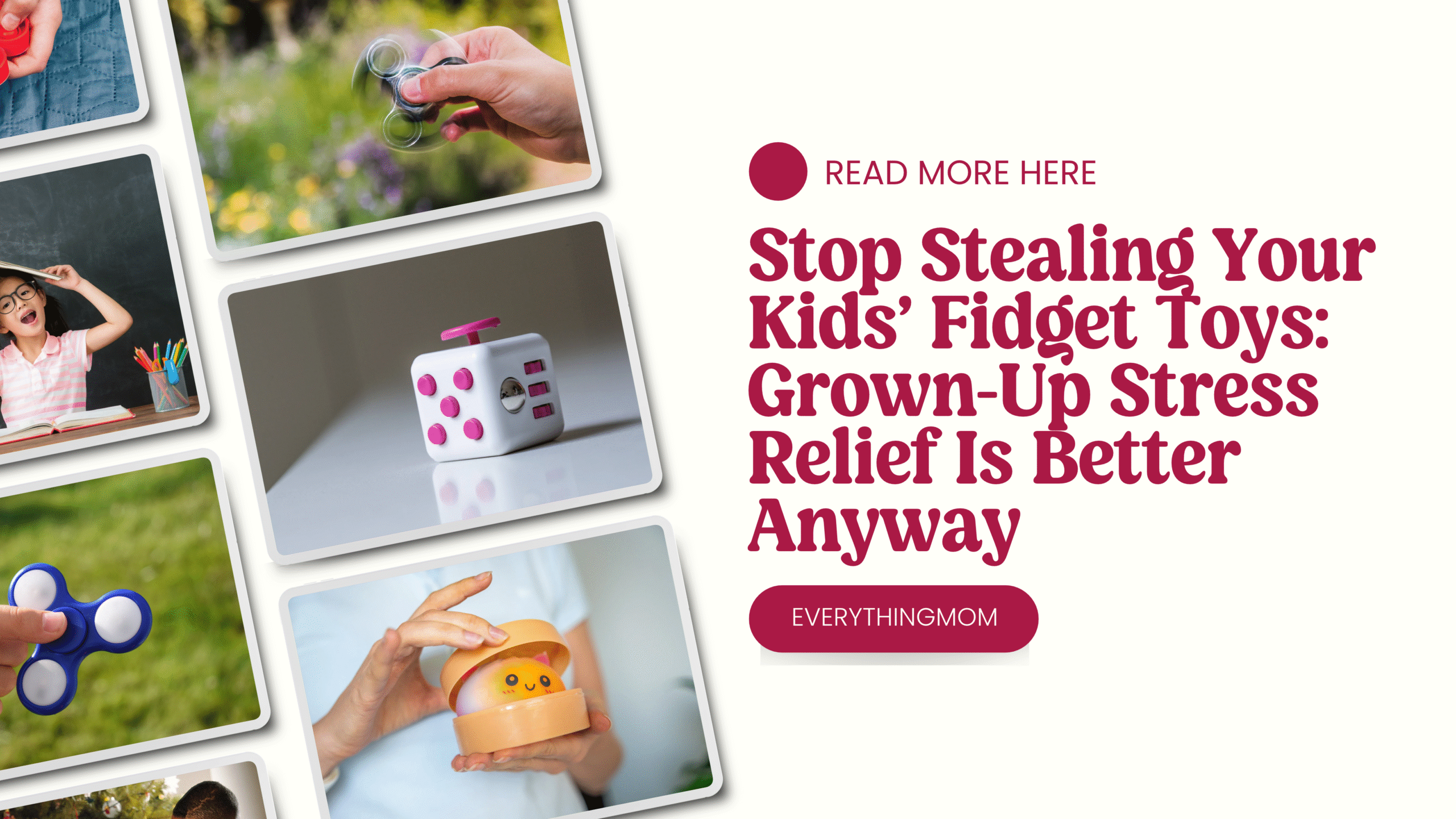
Stop Stealing Your Kids’ Fidget Toys: Grown-Up Stress Relief Is Better Anyway
Still borrowing your kids’ fidget toys? Discover sleek, quiet, mess-free fidgets for adults, from metal rollers to keychains, that fit your everyday life.
The Busy Mom’s Guide to Making Better Espresso at Home
Make café-style espresso at home, even on busy mornings. A mom-friendly guide to choosing a machine, dialing in shots, and steaming milk for lattes.

Best High-Risk Payment Processors for Online Stores
Rejected by PayPal or Stripe? Compare the best high-risk payment processors for online stores, including Adaptiv, Durango, SoarPay, and PaymentCloud.

Hurricane Evacuation Driving Tips for the Coastal South
Hurricane evacuation driving tips for the Coastal South: know your route, prepare the car, and stay safe in heavy evacuation traffic in SC, NC and GA.

Family Location Apps Compared: iSharing, HeyPolo and AirDroid Parental Control
Compare iSharing, HeyPolo, and AirDroid Parental Control on free plans, pricing, location history, driving reports, and alerts to find the right fit.