The benefits of playing go far beyond just fun and games, play does so much more for a child’s growth. Through play, children learn how to handle wins, losses, conflicts, and challenges in a natural way.
It teaches them patience, problem-solving, and emotional control without making it feel like a lesson. Whether it is team sports, pretend play, or simple outdoor games, each experience helps children become mentally stronger.
In this blog, we will look at how everyday play activities quietly shape resilience and prepare children to face real-life situations with confidence.
What Is Resilience?
Resilience is the ability to recover from difficulties and keep moving forward. It is how a person responds to pressure, failure, stress, or emotional setbacks. Instead of giving up, resilient individuals learn from tough situations and adapt.
It is not about pretending everything is fine or forcing yourself to stay strong. Real resilience comes from understanding challenges, processing emotions, and growing through experiences. Children who build resilience early tend to handle academic pressure, social issues, and life changes with more confidence and balance.
Why Play Builds Resilience?
Play, especially through sports, puts children in real situations where effort, failure, success, and improvement all happen naturally. A missed goal, a lost match, or a slow personal record teaches lessons that cannot always be learned in a classroom.
Through play, children learn:
- How to deal with disappointment and try again
- Why patience matters when progress takes time
- How practice leads to confidence and improvement
- How to manage emotions during pressure or failure
These small challenges help children develop coping skills early. When they face bigger challenges later in life, they already know how to stay calm, adapt, and keep going.
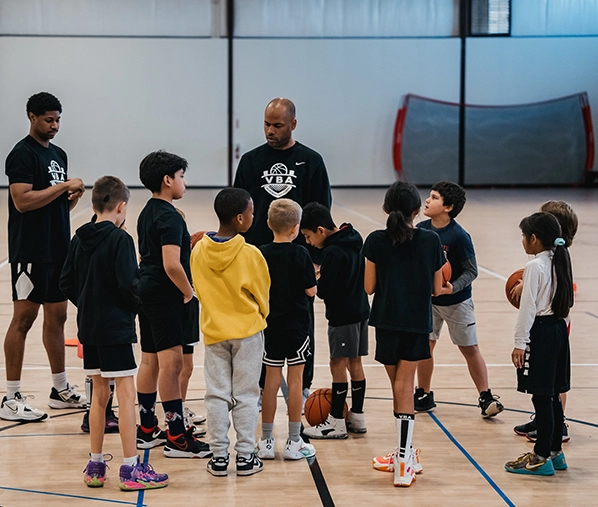
Sports That Help Build Resilience
Different types of sports help build resilience in different ways. Both team and individual sports play an important role in shaping how children respond to challenges.
1. Team Sports
Examples include soccer, basketball, and volleyball.
Team sports place children in environments where success and failure are shared. They learn that their performance affects others and that teamwork matters as much as individual talent. This creates strong emotional and social learning experiences that shape resilience over time.
How team sports build resilience:
- Children learn to handle losses as a group rather than blaming themselves • They understand the value of teamwork and supporting others
- Mistakes become learning moments instead of personal failures
- Communication skills improve through constant interaction
- Children learn to stay motivated even when the team struggles
Over time, team sports teach children that setbacks are temporary and that effort and cooperation matter more than winning every time.
2. Individual Sports
Examples include running and athletics.
Individual sports focus more on personal effort and self-improvement. Children learn to compete with their own limits rather than others.
How individual sports build resilience:
- Children learn to set personal goals and work towards them
- Progress is measured through effort and consistency
- Failure becomes a signal to improve rather than quit
- Self-discipline grows through regular practice
- Confidence builds as children see gradual improvement
Individual sports help children understand that growth takes time and that persistence often matters more than immediate results.
How Parents and Coaches Can Support Resilience
Here’s how parents and coaches can support resilience in children:
1. Celebrate Effort, Not Just Results
Focus on the hard work children put in, not only the outcome. When effort is praised, children learn that practice and persistence matter more than winning. This builds confidence and reduces fear of failure.
2. Encourage Children to Learn from Mistakes
Mistakes should be treated as learning moments. Guide children to reflect on what went wrong and how they can improve. This helps them develop problem solving skills and bounce back stronger.
3. Create a Supportive, Pressure Free Environment
Children do better when they feel safe and encouraged. Avoid putting constant performance pressure on them. A positive space allows them to try, fail, and grow without fear.
4. Promote Consistency and Enjoyment Over Perfection
Encourage regular practice while keeping activities enjoyable. When children have fun and stay consistent, improvement follows naturally and resilience builds over time.
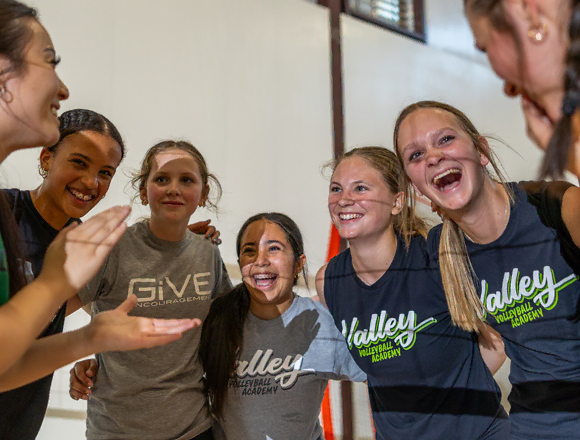
Closing Thoughts on the Benefits of Playing for Kids
Building resilience in children does not always require structured lessons or serious conversations. Sometimes, it grows quietly on a playground, on a sports field, or during a simple game at home. Through play, children experience effort, setbacks, teamwork, and personal growth in a way that feels natural and enjoyable.
When parents and coaches focus on encouragement, patience, and learning rather than pressure, children carry these lessons far beyond playtime. Over the years, these small moments shape stronger, more confident individuals who are better prepared to handle life’s challenges with balance and self-belief.
About Sarah Baker

Sarah Baker is a dedicated sports and fitness content specialist with a rich background in athletics. As a former high school volleyball player and track athlete, she understands the transformative power of sports in shaping character and fostering discipline. Sarah is passionate about inspiring youth worldwide to embrace sports, hone their skills, and achieve excellence both on and off the court.
She continually expands her knowledge through ongoing education in sports performance and fitness, aiming to empower her audience with valuable insights. Currently, Sarah contributes her expertise to the content team at Valley Athletics, a premier sports facility in Fresno, California, dedicated to developing young athletes in volleyball, basketball, and pickleball.
If you would like to follow our social media accounts or check our website:
Instagram: @valleyathleticsco
Facebook: Valley Volleyball Academy
Website: https://valleyathletics.co/
More Everything Mom Articles for You!
Check out more articles from Everything Mom here:
- Discover playroom ideas for kids that blend magic and organization. Learn how to create a calm, creative space through clever storage and intentional design!
- Creating a homework station for your kids can actually be a really fun project—I know it sounds like one more thing to add to the to-do list, but hear me out! We’ve found that having a cozy little spot just for homework makes such a big difference.

Don’t Miss Out—Join Our Community!
Ready to stay in the loop? Subscribe to our weekly email newsletter and unlock a treasure trove of parenting tips, activity ideas, upcoming events, and exclusive freebies delivered straight to your inbox every week.
Whether you’re looking for creative ways to engage your kids, insider information about local happenings, or budget-friendly resources the whole family will love—we’ve got you covered. Sign up today and become part of our growing community of parents who are making every moment count!